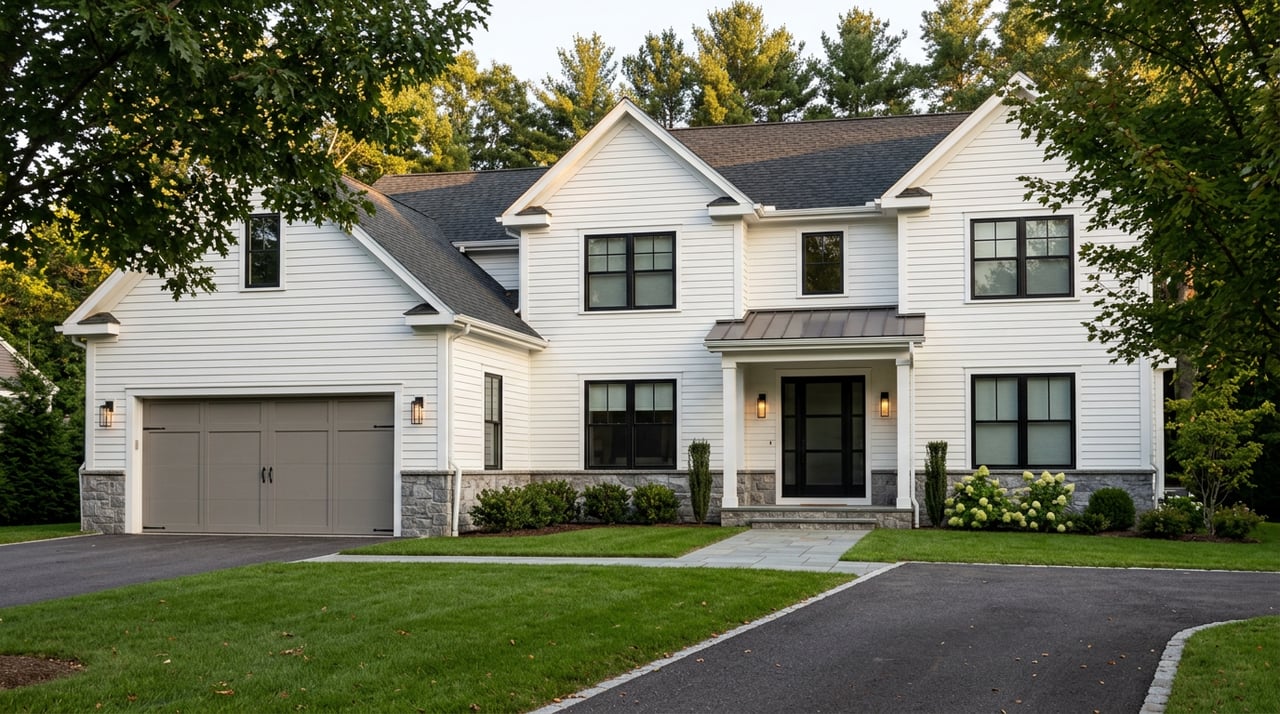
Thinking about more space and privacy in Weston but not sure whether to buy a wooded lot and build or go with a newly built home? You are not alone. The right choice in Weston often comes down to zoning, septic and well feasibility, timelines, and how much risk you want to take on. This guide gives you a clear, local playbook so you can compare options, budget wisely, and move forward with confidence. Let’s dive in.
Weston basics that shape your choice
Weston is a low‑density, rural‑residential community with an affluent housing market and a small‑town feel. Most of town falls under the R‑2A district, which sets a two‑acre minimum lot size for single‑family homes. Those rules, along with setbacks and height limits, directly affect whether a parcel is buildable and how. Review the town’s current dimensional standards in the published Weston Zoning Regulations to confirm what applies to the parcel you are considering.
Buying land here can be rewarding, but site work and approvals are real factors. Septic and well approvals, wetlands review where applicable, and driveway permitting often control both cost and schedule. If you prefer speed and simplicity, a completed or nearly finished spec home can reduce that uncertainty in exchange for a pricing premium and less customization.
Raw land vs new construction
Buying raw land
- Pros: Full design control, the chance to optimize orientation and systems, and the potential to capture long‑term value if site work is managed well.
- Cons: Longer pre‑construction timeline in Weston, reliance on successful septic and well design, possible wetlands and driveway permits, and the need to coordinate multiple departments before a building permit.
Buying a spec home or custom from a builder
- Pros: Shorter path to move‑in, many approvals already handled by the builder, and the potential for third‑party home warranties. Builders commonly manage subcontractors and inspections.
- Cons: Less design flexibility unless you buy early in the process, possible premium pricing, and the need to vet the builder’s registration, insurance, and track record.
Before you sign anything, verify Connecticut contractor registration for the builder and confirm insurance. You can check registration requirements and applications on the state portal.
What makes a Weston lot buildable
Use this on‑the‑ground checklist before you fall in love with a parcel.
- Zoning and lot geometry. Confirm the zoning district, minimum lot area, frontage, and setbacks. In most of Weston, you need two contiguous acres for a single‑family home. See the current dimensional rules in the Weston Zoning Regulations.
- Septic feasibility. Weston relies on onsite septic for most homes. You will need soil tests and a sanitary design reviewed and approved by the Aspetuck Health District before the town issues a building permit. Schedule perc tests early and expect seasonal timing to affect availability.
- Private well. Plan for a drilled well and required water quality testing. The Aspetuck Health District provides forms and technical guidance for wells as part of their environmental health services.
- Wetlands and watercourses. If your proposed home, driveway, or septic area touches mapped wetlands or the upland review area, you will likely need a permit from Weston’s inland wetlands agency. The state’s overview explains how municipal inland wetlands permitting works.
- Driveway and road opening. New curb cuts or work in the right‑of‑way require a permit from Weston Public Works. Bonding may be required, and sightlines and drainage will be reviewed. The town’s permit process guide outlines the typical steps.
- Utilities and access. Confirm electric service availability and whether gas is at the street. Check legal access, who maintains the road, and snow‑plowing arrangements if the road is private.
- Topography and clearing. Rock ledge, steep slopes, and tree removal can drive up site costs. Budget for excavation, grading, and erosion controls.
- Survey and records. An A‑2 survey is commonly required by the health district and land use staff. Ask the Weston Building Department about any open permits or bonds tied to the property.
Approvals in order: how Weston’s process works
Weston’s Building Department will not issue a building permit until several departments have signed off. The town’s A Guide to Weston’s Permit Process is the best overview of who reviews what and when.
1) Early due diligence
- Order a title search and A‑2 survey. Verify zoning compliance on lot size, frontage, and setbacks using the Weston Zoning Regulations.
- Walk the lot with a civil engineer or sanitarian to flag likely septic and well locations and any possible wetlands buffers.
2) Health district first
- In most cases, Aspetuck Health District approval is required before other town departments review your plans. Expect soil testing, a septic plan review, and a sewage disposal permit as gating items.
3) Conservation and wetlands
- If your design touches regulated areas, file with Weston’s inland wetlands agency. Connecticut statutes set hearing timelines, and local calendars set filing deadlines. The state DEEP page explains municipal inland wetlands permitting.
4) Zoning and planning
- Standard single‑family homes that meet R‑2A rules often proceed administratively through zoning sign‑off. If you need a variance, you will apply to the Zoning Board of Appeals. Planning and Zoning meeting calendars and forms are on the town’s Planning & Zoning Permits page.
5) Driveway and road opening
- Coordinate with Public Works for any new driveway access or work in the right‑of‑way. The permit may require a bond. Sightlines, drainage, and culvert details are reviewed at this step.
6) Building permit and plan check
- Once required sign‑offs are in place, submit construction plans, septic and well approvals, contractor registration and insurance, and other documents to the Building Department. Plan review commonly takes several weeks depending on completeness and complexity.
7) Construction and inspections
- Your builder schedules inspections at key stages. If you use a construction loan, your lender will also require draw inspections.
8) Certificate of Occupancy
- After final inspections and sign‑offs, the Building Official issues a Certificate of Occupancy so you can move in.
Timeline and budget planner for Weston builds
While every property is unique, these ranges help you set expectations and plan cash flow.
- Land purchase and due diligence: 4 to 10 weeks for title, survey, soil tests, and closing. Perc tests are seasonal, so book early with the Aspetuck Health District.
- Pre‑construction approvals: 4 to 16 or more weeks for health district, wetlands if required, driveway, and zoning reviews. Connecticut law sets hearing and decision windows that create a scheduling floor.
- Building permit review: Often 2 to 6 weeks after all prerequisite approvals are in hand. The Weston Building Department publishes checklists and contacts.
- Construction: About 9 to 18 months for a typical single‑family home, depending on size, weather, and complexity. Include buffers for inspections and material lead times.
Budget items buyers often miss:
- Septic and well application fees through the health district.
- Driveway or road‑opening permit fees and possible bonds.
- A‑2 survey updates and stakeout.
- Wetlands, erosion controls, and stormwater measures.
- Utility extensions or long service runs.
- Title insurance and recording costs.
For a quick reference on which Weston office handles each permit, see the Municipal Permit and License Information page. When you estimate carrying costs, check the Assessor for the current mill rate and revaluation schedules.
Vetting a builder or a spec home
Ask for these items before you commit:
- State registration and insurance. Verify the builder’s Connecticut registration and request current insurance certificates.
- Local references. Ask for recent Weston or nearby projects and confirm permit numbers. The Building Department can share permit history and whether prior projects have open items.
- Warranty program. Many builders enroll homes in third‑party structural warranty programs that outline workmanship, systems, and structural coverage. Get the written terms and confirm transferability.
- Contract clarity. Look for a clear schedule, fixed price versus allowances, a change‑order policy, a draw schedule tied to inspections, and lien‑waiver practices.
How to choose what fits you
Use these quick filters to align the decision with your goals:
- Timeline first: Choose a completed or near‑complete spec home to reduce pre‑construction wait.
- Design control first: Choose raw land or an early‑stage custom where you can drive layout, systems, and finishes.
- Risk tolerance: If you prefer predictable costs, a spec build reduces exposure to site surprises. If you are comfortable managing unknowns, a land purchase can unlock long‑term value.
- Financing fit: Compare land loans, construction‑only loans, and construction‑to‑permanent options. Each has tradeoffs on down payment, rate risk, and closing costs.
Ready to compare specific lots or new builds in Weston and map out your timeline and budget step by step? Reach out to James Boyles for a personalized, local plan that fits your goals.
FAQs
How does Weston’s two‑acre rule affect a new build?
- Most of Weston is zoned R‑2A, which requires a minimum of two contiguous acres for a single‑family home. Confirm lot area, frontage, and setbacks in the town zoning regulations before you proceed.
What approvals come first when I buy land in Weston?
- In most cases, the Aspetuck Health District reviews and approves your septic and well plans before other departments. After that, conservation or wetlands, zoning, driveway, and building plan reviews follow.
How long from buying land to move‑in?
- Many buyers experience 12 to 30 months from land purchase to occupancy, depending on soils, wetlands, approvals, design complexity, and weather.
What if there are wetlands on or near my lot?
- Expect to file with the town’s inland wetlands agency if you build in a regulated area or upland review zone. This can add review time and may require mitigation conditions.
What should I verify when considering a spec home?
- Confirm the builder’s Connecticut registration and insurance, ask for recent local references and permit numbers, review the warranty terms, and make sure the contract spells out price, allowances, change orders, and draw schedules.