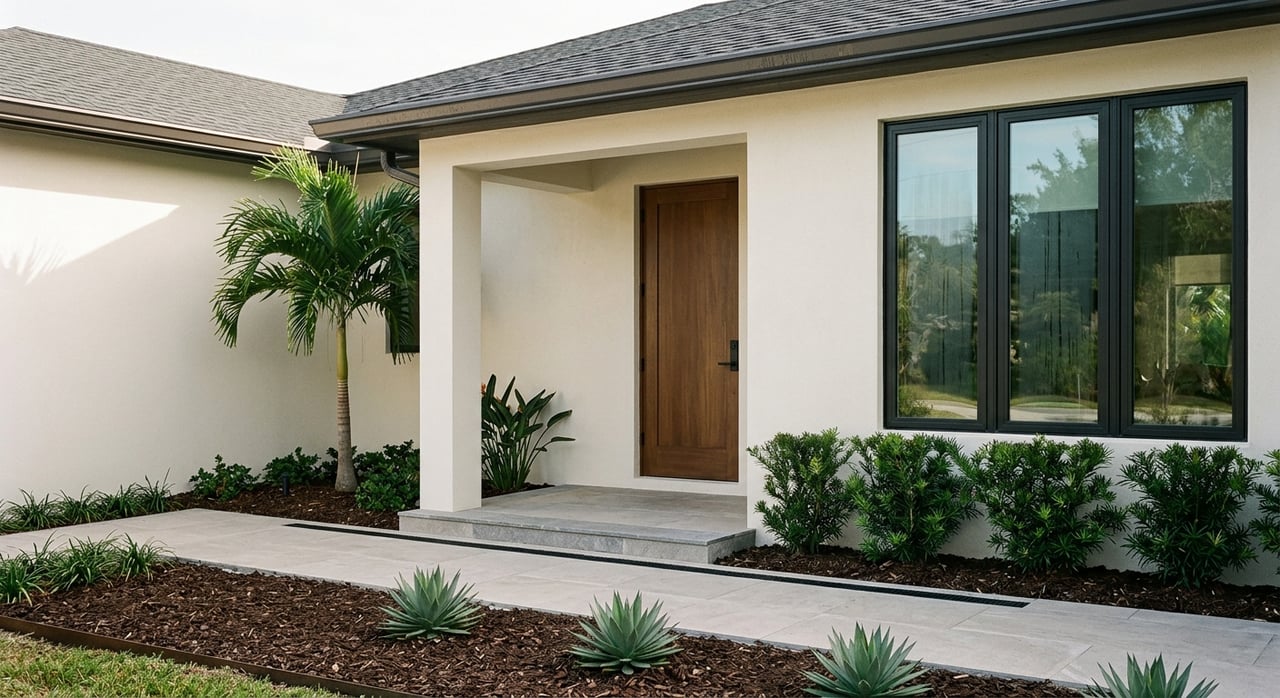
Thinking about spending winters in Naples while keeping Connecticut as home base for the warmer months? You are not alone, and for many Connecticut owners, that split-season lifestyle makes a lot of sense. The key is understanding how Naples really works as a seasonal market, what it takes to leave a home vacant for stretches of time, and where climate, insurance, and tax rules can affect your plans. Let’s dive in.
Why Naples Fits Seasonal Living
For Connecticut owners, Naples often lines up well with the way you already want to live through the year. NOAA climate normals for Naples show mild winters and much hotter, wetter summers, which helps explain why so many owners use it as a seasonal home base rather than a year-round residence.
In January, average temperatures in Naples are about 74.8°F for the high and 55.9°F for the low. By July, averages rise to 90.8°F and 75.5°F, and rainfall increases sharply from roughly 1.3 to 2.8 inches in winter and spring to about 7.4 to 8.9 inches from June through September.
That climate pattern supports a simple lifestyle rhythm. You can enjoy Naples during its milder, drier stretch, then spend more time in Connecticut when Southwest Florida turns hotter, wetter, and deeper into storm season.
Naples Has a Seasonal Market Rhythm
Naples does not just feel seasonal in weather. Local market activity often shows a seasonal rhythm too. Recent NABOR market reports have referenced seasonal sales in January, competitive conditions in February, pre-season buyers in September, and summer buyer activity or sales surges in 2024 and 2025.
That does not mean every year follows the same script. NABOR’s archive also shows that some months can break from the usual pattern, so timing your purchase should be treated as a strategy, not a guarantee.
What that means for your home search
If you are shopping from Connecticut, it helps to plan around both your schedule and Naples market momentum. Winter and spring can feel busier, while late summer and fall may offer pre-season opportunities or shifts in inventory.
The right timing depends on your goals. If you want to be settled before winter, you may need to start earlier than you think. If you are more flexible, off-peak periods can be worth watching closely.
What Lock-and-Leave Living Really Means
A seasonal home works best when it is built around simplicity. In Naples, a true lock-and-leave property is one that can sit safely for weeks or months with limited day-to-day involvement from you.
That matters because Florida’s warm, humid climate creates risks that many Connecticut owners do not deal with the same way at home. UF/IFAS notes that unoccupied homes are more vulnerable to mildew, pests, and storm damage, and recommends planning at least three weeks before you leave.
Your home should be clean, dry, secure, and monitored
That four-part idea is the clearest way to think about seasonal ownership in Naples. Before leaving, your goal is not just to lock the door. Your goal is to reduce moisture, prevent maintenance issues, and make sure someone can respond if needed.
A good departure plan typically includes:
- servicing the air conditioning system
- changing filters
- cleaning the condensate line
- keeping the thermostat no higher than 85°F to help control humidity
- arranging pool service if needed
- avoiding draining the pool
- scheduling regular checks every 7 to 10 days for the pool and property
- cleaning the interior thoroughly
- removing perishables
- preparing the refrigerator and bathrooms to avoid odors or pests
- checking the roof, gutters, windows, doors, and caulk
- using timers and pausing mail or newspaper delivery
- having a trusted person check on the property periodically
If you own in a condo or planned community, some exterior care may already be handled for you. That can make seasonal ownership easier, but you still need to confirm exactly what the association or management company maintains while you are away.
Why Condos Often Appeal to Seasonal Owners
For many part-time owners, a condo or planned community can simplify ownership. If exterior maintenance is partly handled through the association, you may have fewer moving parts to manage when you head back to Connecticut.
That said, easier does not mean automatic. You still want to review maintenance responsibilities carefully, especially around exterior upkeep, inspections, and how issues are reported if the unit is vacant.
Questions to ask before you buy
If you are comparing condos and single-family homes, keep your focus on practical ownership. Ask questions like:
- What exterior maintenance is handled while owners are away?
- Are there property checks or management services in place?
- How are storm preparations handled, if at all?
- What are your responsibilities versus the association’s responsibilities?
These details can shape how stress-free your seasonal routine feels.
Storm and Flood Planning Matter
In Naples, storm readiness is not an extra. It is part of ownership planning. NOAA states that Atlantic hurricane season runs from June 1 through November 30, with the basin typically most active from August through October and peak activity in early to mid-September.
For a Connecticut owner, that means you need a plan even when you are not in Florida. The best time to prepare is before the season begins, not when a storm is already approaching.
What to review before buying
A smart due diligence process should include the home’s storm and flood setup. That means looking at:
- roof condition
- shutters or other protective features
- the property’s flood zone
- insurance requirements
- who can access and manage the home if a storm threatens while you are up north
The City of Naples says its 2024 Flood Insurance Rate Maps are in effect, and notes that Zones AH, AE, and VE carry mandatory flood insurance purchase requirements. FEMA also states that federally regulated, supervised, or insured lenders must require flood insurance for buildings in a Special Flood Hazard Area within participating NFIP communities.
This is one of the biggest reasons local due diligence matters. A home may be beautiful and well located for your seasonal plans, but you still need to understand the flood map, insurance implications, and practical storm-readiness steps before you commit.
Florida Tax and Residency Rules for Connecticut Owners
Many second-home buyers are surprised by how important residency rules can be. If you are keeping Connecticut as your primary home, your Naples property will usually be treated differently from a true Florida primary residence.
Collier County’s Property Appraiser says Florida homestead exemption requires legal title and a good-faith permanent residence on January 1. The office also states that a person is not legally entitled to the exemption if they or a spouse are receiving residency-based exemptions in another state.
What that can mean for your Naples home
Florida’s Department of Revenue says the homestead exemption can reduce taxable value by as much as $50,000. But for many Connecticut owners buying a vacation home, that benefit usually will not apply unless the Naples property becomes your true Florida primary residence.
Assessment caps differ too. Collier County says the Save Our Homes cap applies only to qualifying homestead property and limits annual assessed-value growth to 3% or CPI, while non-homesteaded property is eligible for a 10% annual cap.
This is where personalized guidance matters. Tax, residency, and domicile questions can become very specific, so it is wise to coordinate early with your tax and financial professionals before you make assumptions about ownership costs.
How to Plan Your Naples Seasonal Routine
The best seasonal ownership experience usually starts before you ever buy. You want to think beyond the property itself and consider how the home will function when you arrive, when you leave, and while it sits vacant.
A practical planning framework looks like this:
Before you buy
- decide how many months you expect to spend in Naples each year
- compare condo and single-family ownership through a lock-and-leave lens
- review flood zones, insurance needs, and storm-prep features
- factor in whether you want lower day-to-day maintenance
Before you leave for Connecticut
- complete HVAC service and humidity-control steps
- clean and secure the home thoroughly
- arrange pool and property checks if needed
- confirm who will monitor the property while you are away
Before storm season
- review shutters, roofing, and exterior condition
- revisit flood insurance and related coverage questions
- make sure you have a local contact who can respond if needed
When you approach Naples ownership this way, the lifestyle becomes much more manageable. Instead of reacting to problems from another state, you create a system that supports peace of mind.
A Smart Fit for Connecticut Owners
For many buyers, Naples and Connecticut complement each other naturally. Naples offers mild winters and a well-established seasonal ownership pattern, while Connecticut remains the base for the warmer months.
The important part is buying with your eyes open. Climate, humidity, hurricane season, flood zones, and residency rules are all part of the ownership equation, and the right property is the one that matches how you actually plan to live.
If you are exploring a Naples second home and want practical guidance from someone who understands the Connecticut-to-Florida move, reach out to James Boyles for a personalized consultation.
FAQs
When is the best time to buy a seasonal home in Naples?
- NABOR market archives suggest Naples often feels more seasonal in winter and spring, while late summer and fall can bring pre-season opportunities or inventory shifts, but timing should be treated as a strategy rather than a guarantee.
Is a condo easier than a house for seasonal living in Naples?
- Often yes, because condos and planned communities may handle some exterior maintenance while you are away, but you should confirm exactly what the association maintains.
What should Connecticut owners do before leaving a Naples home vacant?
- UF/IFAS recommends planning at least three weeks before departure and focusing on HVAC service, humidity control, pool care if needed, interior cleaning, security steps, and a trusted local contact.
Do Naples homes need flood insurance?
- Some do, depending on flood zone and lender requirements. The City of Naples notes that Zones AH, AE, and VE carry mandatory flood insurance purchase requirements.
Can Connecticut owners claim Florida homestead exemption on a Naples second home?
- Usually not unless the Naples property becomes your true Florida permanent residence, because Collier County ties homestead exemption to permanent residency and restricts it when residency-based exemptions are claimed in another state.