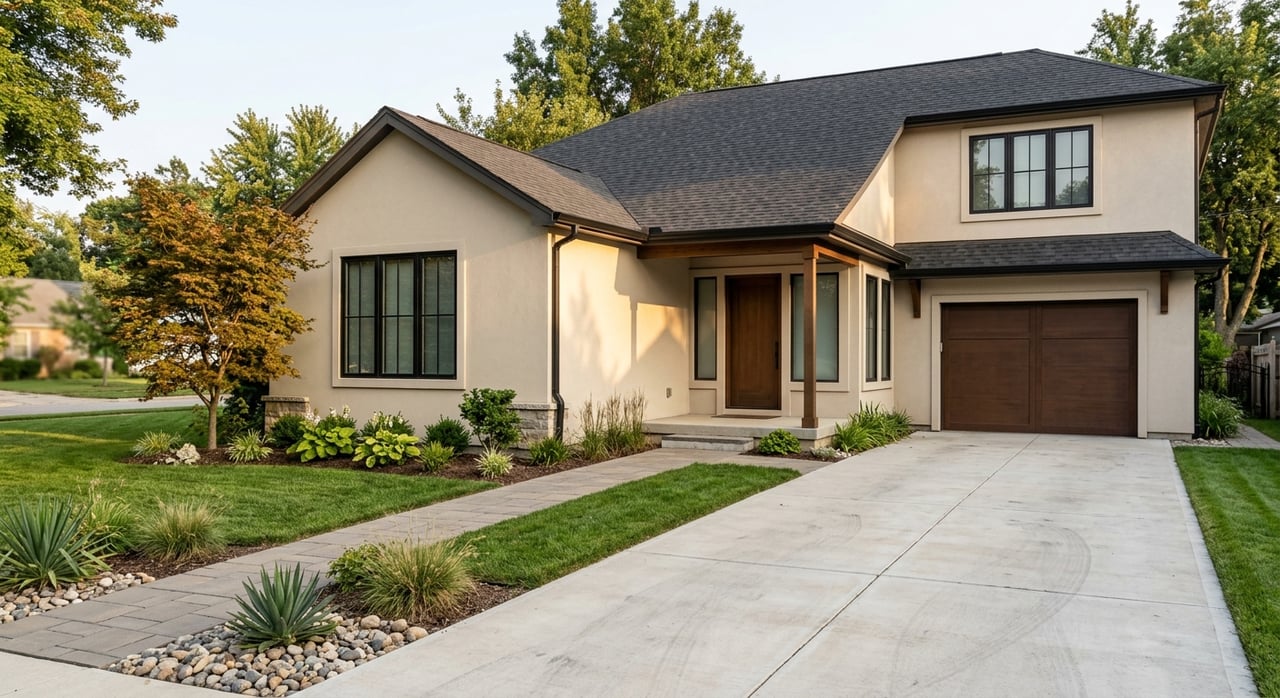
Thinking about buying an investment property in Port St. Lucie? You are not alone. For many buyers, this market stands out because it offers a large year-round population, a housing stock dominated by single-family homes, and the possibility of both long-term and short-term rental strategies. If you want to invest with fewer surprises, it helps to understand how local housing mix, taxes, inspections, insurance, and city requirements can shape your numbers before you buy. Let’s dive in.
Why Port St. Lucie Gets Investor Attention
Port St. Lucie had an estimated 2024 population of 258,575, which reflects strong growth from 2020. The city also had 83,952 households, giving investors a meaningful base of year-round housing demand to study.
The city’s one-year residential stability rate was 89.9%, which points to a relatively steady resident base. That does not directly measure tenant turnover, but it does suggest Port St. Lucie is more than a purely seasonal market.
The broader area also benefits from transportation access and regional amenities. City economic development materials highlight I-95, the Florida Turnpike, Florida East Coast Rail, the Port of Fort Pierce, and Treasure Coast Airport, while the county promotes beaches, parks, and preserves that support both full-time living and visitor demand.
Start With Your Rental Strategy
Before you look at properties, decide what kind of investment you want to own. In Port St. Lucie, the biggest fork in the road is usually long-term rental versus vacation-style rental.
Long-term rentals often appeal to investors who want steadier occupancy, simpler tax handling, and a broader future resale pool. Vacation-style rentals can create opportunity, but they usually require more attention to taxes, insurance, use review, and seasonality.
Long-Term Rental Basics
If you are buying for a standard annual or multi-month lease, you will likely focus on durable property types, manageable operating costs, and everyday renter demand. In St. Lucie County, the median gross rent is $1,585, and in Port St. Lucie the median gross rent is $1,937, which gives you a useful starting point for rent expectations at a market level.
That said, market medians are not the same as the rent your specific property can achieve. Condition, location, layout, age, updates, and insurance costs all affect the real performance of an individual asset.
Vacation-Style Rental Basics
If you are considering shorter stays, the rules and math change. Under Florida law, transient rentals for stays of six months or less are taxed, and St. Lucie County imposes a 5% tourist tax on accommodations rented for six months or less.
That means you should underwrite more than just rent and cleaning. You also need to account for local tax compliance, possible seasonal swings, and higher operating complexity than a traditional long-term lease.
Which Property Types Make Sense
Port St. Lucie’s housing stock is heavily weighted toward single-family homes. A city planning study reported about 84,754 single-family homes, 2,988 multifamily units, 2,606 condominiums, and 939 mobile homes.
For many small investors, that matters because the local market naturally offers more single-family options than other property types. It also means single-family homes often fit the most familiar buy-and-hold model in this city.
Single-Family Homes
Single-family homes usually offer a straightforward path for investors who want flexibility. They often attract both renters and future resale buyers, including owner-occupants and investors.
Because Port St. Lucie has such a large single-family inventory, this property type may provide the broadest resale audience later. That can matter if your exit plan changes.
Condos
Condos can reduce some exterior maintenance responsibilities, which may appeal if you want a lighter hands-on role. But they come with association oversight, and that can affect budgeting, approvals, and long-term planning.
There is also an important local building issue to understand. Port St. Lucie states that mandatory milestone inspections apply to condominium and cooperative buildings that are three stories or higher, generally before age 30, or before age 25 if the building is within 3 miles of the coastline, and every 10 years after that.
The city also notes that this requirement does not apply to single-family, two-family, or three-family dwellings with three or fewer habitable stories. For investors, that means condos may involve a different inspection and reserve conversation than a typical single-family purchase.
Small Multifamily
Small multifamily can offer scale, but there are far fewer units in the local housing mix than single-family homes. That smaller supply may mean fewer options and a different buyer pool when it is time to sell.
If you are comparing multifamily to single-family, pay close attention to maintenance, insurance, tenant management, and your future exit path. A property that looks good on paper still needs to fit your comfort level and time horizon.
Know the Costs Beyond the Price Tag
A smart Port St. Lucie investment analysis should include more than purchase price and estimated rent. Your actual return depends on the recurring and one-time costs that can change quickly after closing.
Property Taxes Can Change After Closing
Do not assume the current tax bill will stay the same after you buy. The city notes that property is reassessed to market value when title changes hands.
That can materially change your carrying costs, especially if you are using the seller’s current tax bill in your early math. Florida guidance also makes clear that the homestead exemption applies to a permanent residence, not a rental or second home.
Insurance Is a Core Expense
In this market, insurance should be treated as a central part of your underwriting. St. Lucie County says flooding from heavy rainfall, tropical storms, hurricanes, and storm surge is a continuing local hazard.
The county also notes that most standard homeowners policies do not cover flood damage. NFIP flood insurance usually has a 30-day waiting period, which makes advance planning important if the property has flood exposure.
Rental Income and Expenses
If you hold property for income, rental income is taxable, and rental expenses are generally deductible. Federal guidance for residential rental property also discusses common expense categories such as repairs, operating expenses, and depreciation.
For investors, the practical takeaway is simple: keep clean records and build a full operating budget from day one. You want to understand your real net position, not just your top-line rent.
Due Diligence Matters More Than You Think
One of the most important local facts in St. Lucie County is that problems tied to the property can become your problems after closing. The county warns that new owners are responsible for existing violations, fines, and liens associated with the property.
That is why investor due diligence should go well beyond a quick showing and a basic price comparison. A lower purchase price does not always mean a better deal if hidden issues are waiting.
Local Checks To Prioritize
St. Lucie County recommends reviewing several items before closing:
- Home inspection
- Code lien search
- Payoff review for outstanding code liens
- Permit review
- Check for permitted detached structures
- Zoning verification
Each one helps you avoid inheriting costly surprises. If you are buying from out of state or planning a faster close, these checks become even more important.
Business Compliance Inside City Limits
If your rental property is operated as a business within Port St. Lucie city limits, the city requires a local business tax receipt. The city specifically lists rental property lessors among the businesses that need one.
These receipts renew annually and expire on September 30. That may sound minor, but it is part of the real operating model and should be built into your compliance calendar.
Build Your Exit Plan Early
A good investment purchase starts with a clear buy strategy, but it also needs a likely exit strategy. In Port St. Lucie, your future buyer may be another investor, an owner-occupant, or someone who is highly sensitive to insurance and inspection issues.
Single-family homes often have the broadest resale audience because they appeal to both investors and owner-occupants. Condos and some coastal properties may draw more scrutiny because of insurance considerations and required inspections.
If you are deciding between two similar properties, ask yourself a simple question: Who will most likely want this property when I sell? That answer can influence everything from renovation choices to hold period.
A Practical Port St. Lucie Investor Checklist
Before you move forward, make sure you can answer these questions clearly:
- Are you buying for long-term rental income or for stays of six months or less?
- Have you estimated taxes based on a post-sale reassessment, not the seller’s current bill?
- Have you priced flood and wind-related insurance realistically?
- Have you checked for code issues, permits, detached structures, and zoning compliance?
- If buying a condo, have you reviewed inspection requirements and association oversight?
- If operating within city limits, have you planned for the required business tax receipt?
- Does the property have a clear future resale audience?
If any of those answers feel uncertain, it is worth slowing down before you commit. In investing, the easiest problem to solve is the one you catch before closing.
Port St. Lucie can offer solid opportunity for small investors, relocators, and second-home buyers who want to enter Florida with a clearer plan. The key is not chasing a property because it looks good at first glance. It is buying with a realistic view of rent strategy, taxes, inspections, insurance, and resale so your numbers hold up in the real world.
If you want a practical second opinion on a Port St. Lucie investment property, reach out to James Boyles for a personalized consultation.
FAQs
What makes Port St. Lucie appealing for investment property?
- Port St. Lucie offers a large and growing population, a relatively steady year-round resident base, strong transportation access, and a housing market dominated by single-family homes.
What is the main difference between long-term and short-term rentals in Port St. Lucie?
- Long-term rentals usually involve simpler operations and fewer tax layers, while rentals for stays of six months or less are subject to Florida transient rental taxes and St. Lucie County’s 5% tourist tax.
What property type is most common in Port St. Lucie for investors?
- Single-family homes are by far the most common housing type in Port St. Lucie, which often makes them the most familiar option for small investors and one of the broadest resale plays.
What should buyers check before buying an investment property in St. Lucie County?
- St. Lucie County recommends a home inspection, code lien search, payoff review for code liens, permit review, detached-structure permit check, and zoning verification before closing.
What should condo investors in Port St. Lucie know about inspections?
- The city says milestone inspections apply to condominium and cooperative buildings that are three stories or higher, generally before age 30, or before age 25 within 3 miles of the coastline, and then every 10 years.
What tax issue should Port St. Lucie investment buyers plan for after closing?
- Buyers should plan for property tax reassessment after title changes hands and should not assume they will qualify for a homestead exemption on a rental or second home.
Why is flood insurance important for Port St. Lucie investment property?
- St. Lucie County identifies flooding, tropical storms, hurricanes, and storm surge as ongoing hazards, and most standard homeowners policies do not cover flood damage.